Project Sanjeevini
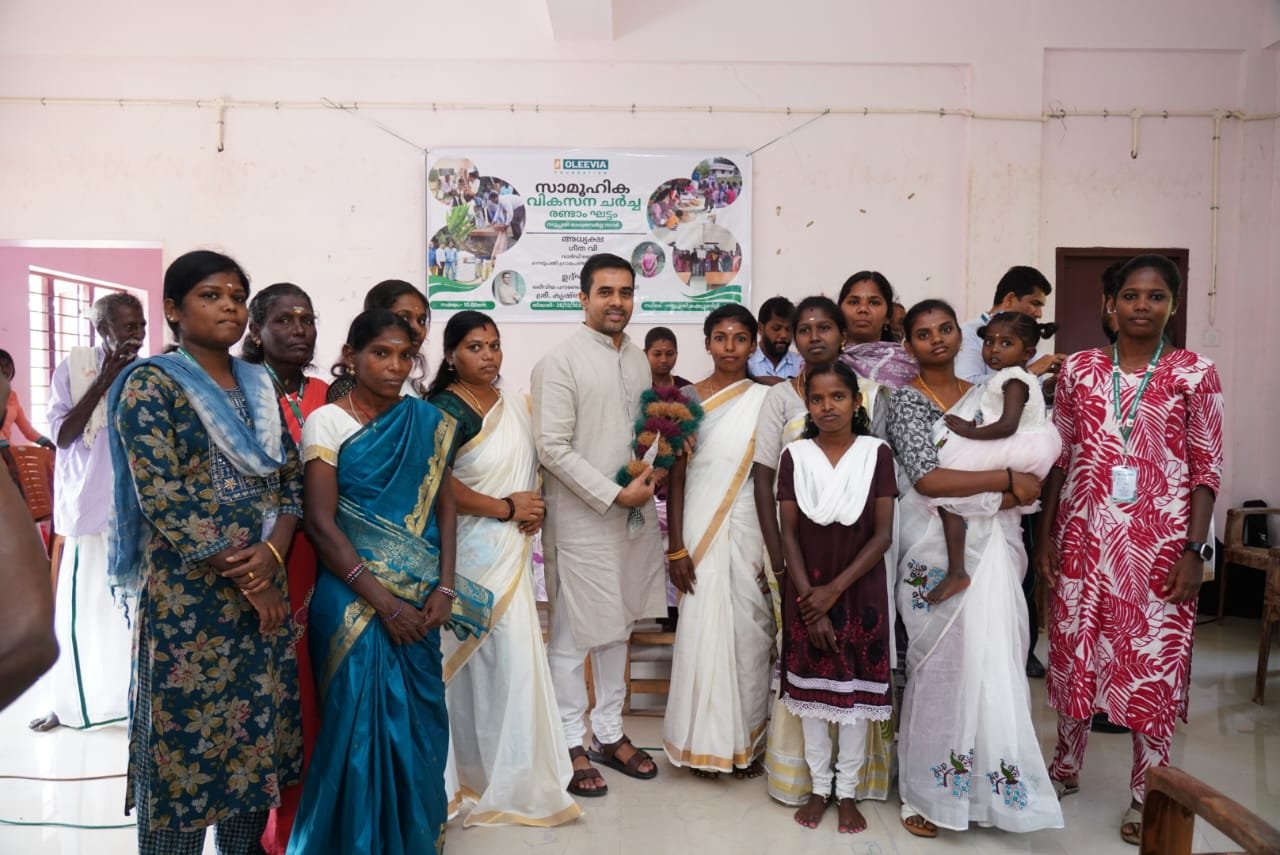
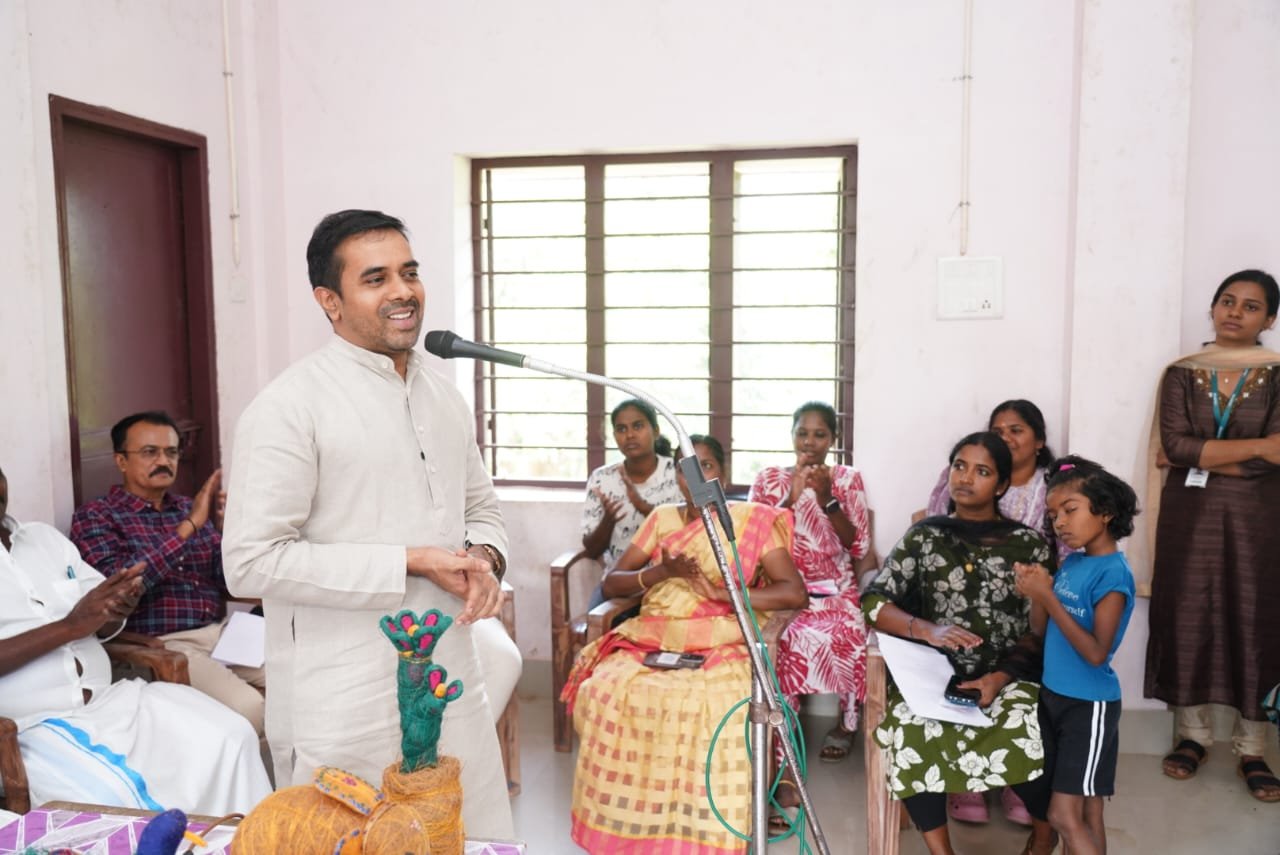
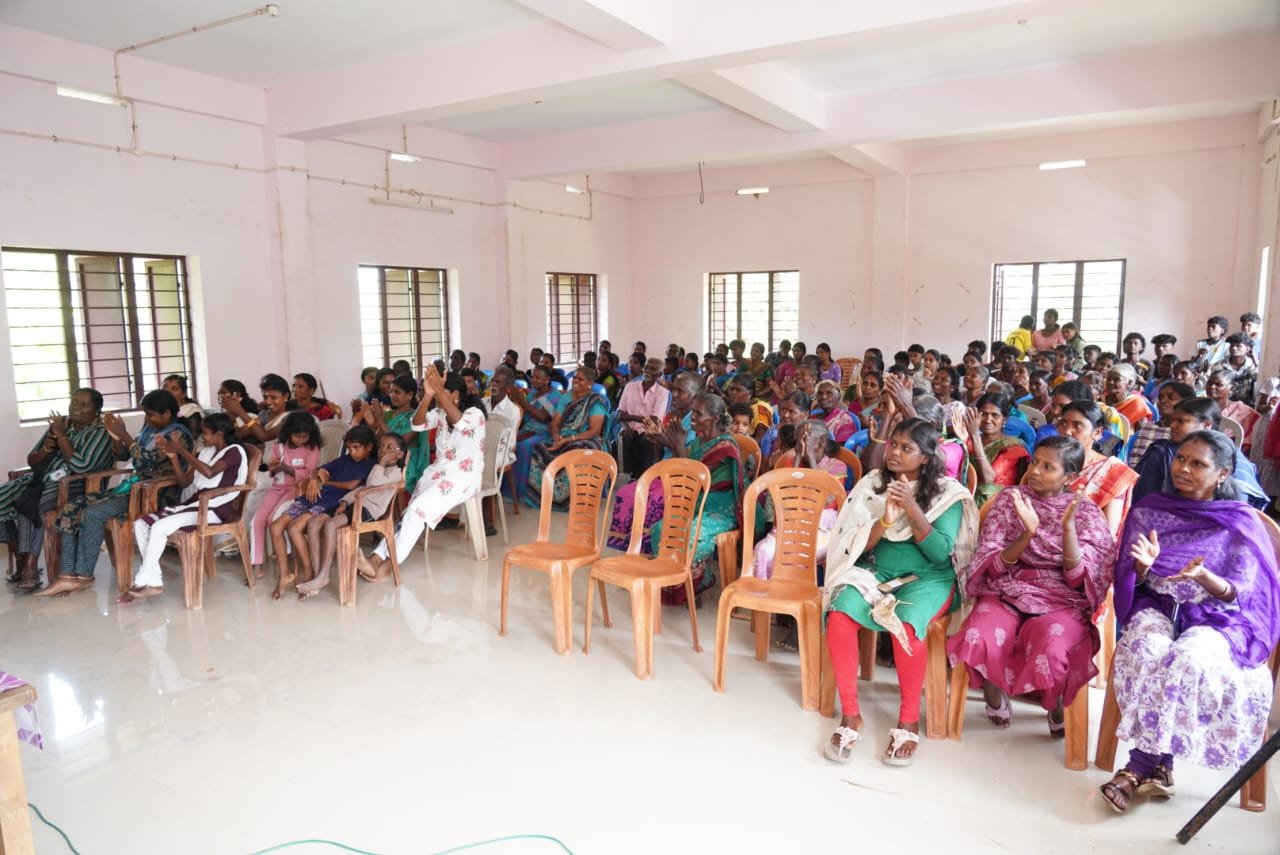
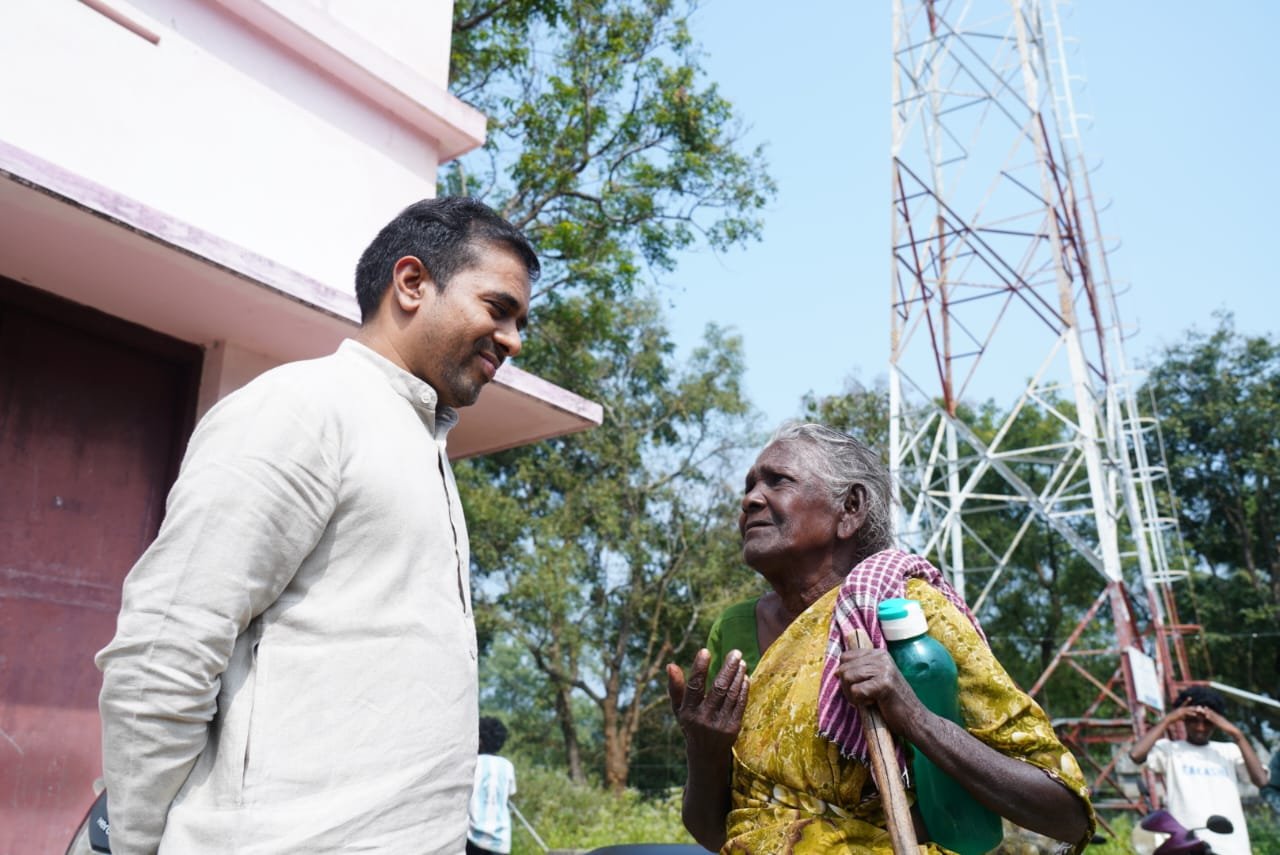
Project Sanjeevini is a flagship initiative under Oleevia Foundation’s parent program, Project Aadi, which focuses on long-term, sustainable community adoption. Through this initiative, Oleevia Foundation has formally adopted the Naduppathy Tribal Settlement at Walayar, Palakkad, committing to holistic development rather than short-term interventions. The project reflects Oleevia’s belief that true transformation occurs when communities are empowered, supported, and partnered with over time. The adoption of Naduppathy is not symbolic—it is a structured developmental commitment. Oleevia Foundation aims to address livelihood, education, mobility, and youth empowerment in an integrated manner. By working closely with the tribal community, local governance, and government departments, Project Sanjeevini establishes a replicable model of
tribal development rooted in dignity, participation, and sustainability, ensuring that progress is community-owned and culturally respectful.
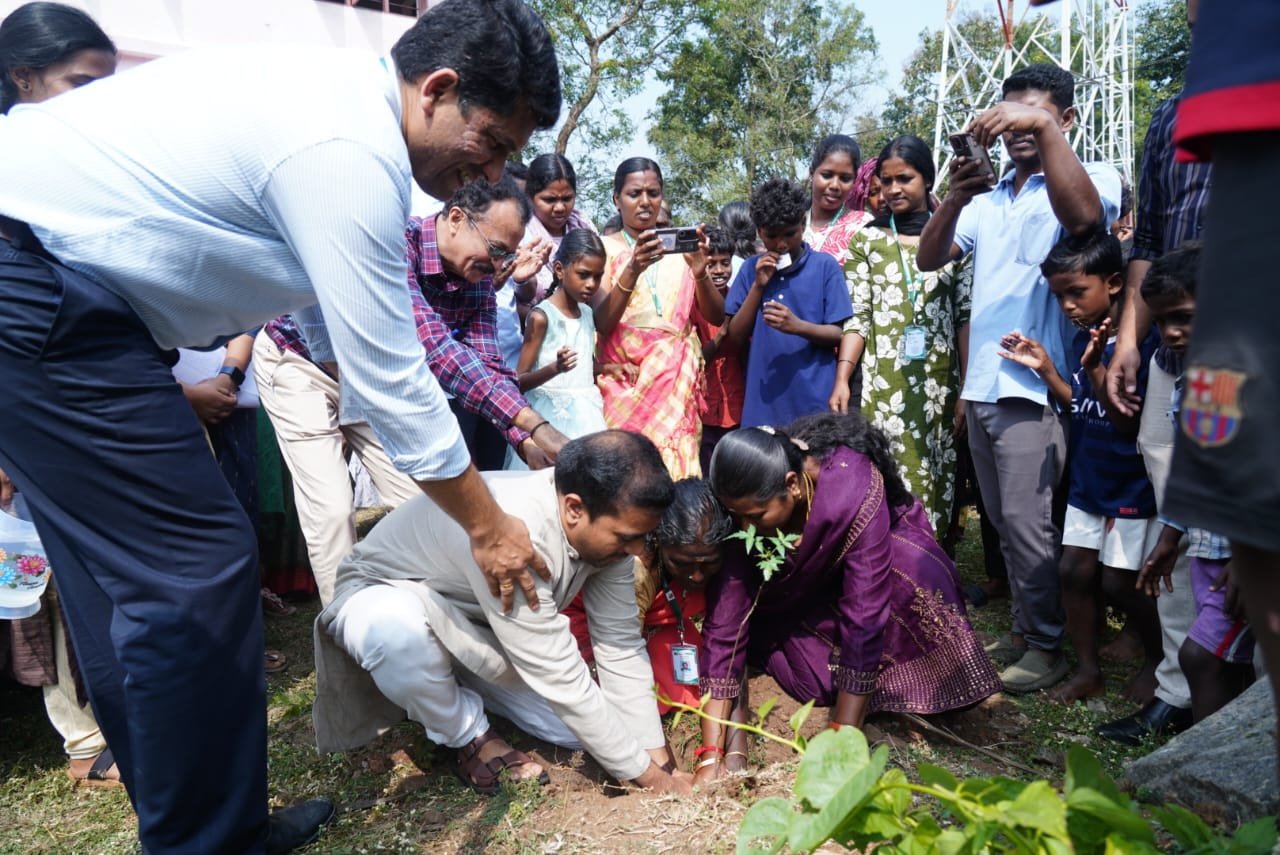
A cornerstone of the initiative is the formation of the Sanjeevini Self Help Group (SHG), created to enhance livelihood opportunities for individuals of Naduppathy. The SHG serves as a collective platform for financial inclusion, skill development, and income generation. By placing community members at the center of decision-making, the SHG ensures ownership, accountability, and long-term economic resilience for tribal families. Under the first phase of the farming project, Oleevia Foundation plans cultivation across 7.5 acres of land, focusing on flowers, jackfruit, and sesame. This initiative is being implemented in collaboration with the State Horticulture Mission (SHM) and the Agriculture Department, Government of Kerala, through Sanjeevini SHG.